A Short History of Sketch and Line Art Styles
A look at the history and variety of traditional sketch art styles that digital sketch filters draw inspiration from.
Digital sketch filters are, in a real sense, paying tribute to centuries of traditional drawing technique — understanding a bit of that history gives some context for why different sketch styles look the way they do.
Pencil sketching as a foundational art form
Pencil drawing has been a foundational skill in visual art training for centuries, valued both as a standalone art form and as a practice discipline for developing an artist's eye for proportion, shading, and line quality before moving to other media like paint.
Charcoal: bolder, more expressive lines
Charcoal sketching produces bolder, darker, more expressive lines and dramatic shading compared to graphite pencil, historically favoured for quick, expressive studies and dramatic portrait work where strong tonal contrast matters more than fine, precise detail.
Ink and pen-and-ink illustration
Pen-and-ink work, using controlled linework and techniques like cross-hatching (overlapping line patterns) to suggest shading and depth without any continuous tone, has a long tradition in illustration, printmaking, and technical drawing, valued for its crisp, reproducible precision.
Cross-hatching and stippling as shading techniques
Since pure line art has no continuous tonal range the way a photo or painting does, traditional artists developed techniques like cross-hatching (layered intersecting lines) and stippling (patterns of dots) specifically to suggest shading and depth using only lines and dots — techniques some digital sketch filters explicitly mimic for a more traditional, hand-drawn feel.
Why digital filters reference these traditional styles
A digital sketch effect's goal is essentially replicating the visual language traditional artists developed over centuries — bold outline weight from charcoal tradition, fine detail from pencil work, textured shading from cross-hatching — combined algorithmically rather than by hand, but drawing on the same underlying visual vocabulary.
Why sketch effects remain popular despite being "not real" hand art
Even knowing a sketch effect is algorithmically generated rather than hand-drawn, the style itself carries genuine aesthetic appeal — connecting a photo to this long visual tradition gives it a different feel than the original photo, part of why sketch filters have remained consistently popular across many years of photo editing tools.
Appreciating the craft behind the effect
Understanding the traditional techniques a digital sketch filter is drawing from adds a layer of appreciation to what might otherwise feel like a simple, instant effect — a nod to centuries of actual drawing practice, applied in a fraction of a second.
Apply sketch styles inspired by traditional art techniques with Color Photo Sketch →
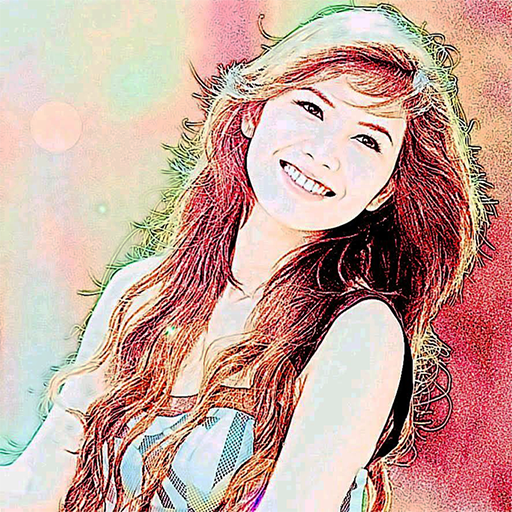
Color Photo Sketch
Turn your photos into sketch and art-style effects in one tap
More about Color Photo Sketch
What Makes a Good Photo for a Sketch Effect?
Practical tips for choosing or taking photos that produce the best results with sketch and artistic photo effects.
Read article →Black-and-White vs Colour Photo Effects: When to Use Each
Practical guidance on when a black-and-white treatment works better than colour effects for a photo, and why.
Read article →Combining Sketch Effects With Other Photo Edits
How to combine sketch effects with other photo editing steps for a more polished, intentional final result.
Read article →Creative Ways to Use Sketch-Effect Photos
Practical and creative ideas for using sketch-effect photos beyond just posting them directly to social media.
Read article →