The History of Word Search Puzzles
A short history of the word search puzzle, from its newspaper origins to its enduring popularity in mobile app form.
Word search puzzles feel like a timeless, always-existed format, but like most puzzle genres, they have a specific, identifiable origin and history worth knowing.
Newspaper and print origins
Word search puzzles as a distinct, popular puzzle format emerged and spread widely through newspapers and puzzle magazines starting around the mid-20th century, joining crosswords and other word puzzles as a staple of print puzzle sections enjoyed by a broad general audience looking for accessible, low-barrier entertainment.
Why the format caught on so widely
Unlike crosswords, which require genuine vocabulary knowledge and clue-solving skill, word search puzzles rely primarily on visual scanning — a target word is given directly, removing the vocabulary-knowledge barrier and making the puzzle accessible to a much broader range of ages and skill levels, including children and casual puzzlers who might find crosswords intimidating.
A puzzle format well suited to any theme
Word search puzzles are easy to build around virtually any theme — a holiday, a hobby, an educational topic — since the puzzle only requires a themed word list rather than the more elaborate clue-writing crosswords need. This flexibility made word search puzzles a natural fit for educational materials, themed puzzle books, and casual entertainment across an enormous range of contexts.
The transition to digital and mobile
As puzzle formats moved from print to digital, word search adapted naturally — the format translates well to a touchscreen interface, where tracing a finger across a grid to select a found word feels intuitive in a way some other puzzle formats don't translate as smoothly.
Why endless, algorithmically generated puzzles changed the format
Modern mobile word search apps can generate effectively unlimited new puzzles algorithmically, rather than relying on a fixed, finite set of pre-published puzzles the way print puzzle books necessarily did — this shift from a limited resource to an endless one meaningfully changed how people engage with the format, supporting extended, ongoing play rather than a puzzle book that eventually runs out.
Why the format has remained popular for decades
Word search's core appeal — accessible, relaxing, requiring no specialised knowledge, suitable for any theme — has remained consistent across its entire history, from print puzzle books through to today's mobile apps, a rare case of a puzzle format translating almost seamlessly across a major shift in how people consume media and entertainment.
Enjoy the modern, endless version of a decades-old puzzle tradition — Crossword - Word Search Game →
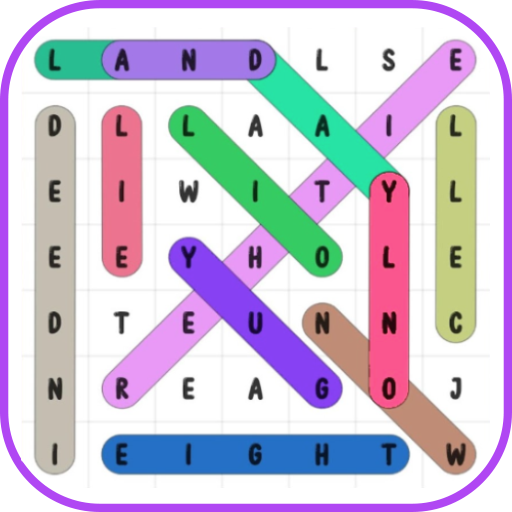
Crossword - Word Search Game
A relaxing, endless word search puzzle game
More about Crossword - Word Search Game
The Best Times to Play Casual Puzzle Games (And Why Timing Matters)
How the timing of a casual puzzle session affects its benefit, and practical suggestions for when word search fits well into a day.
Read article →Building a Daily Puzzle Habit You'll Actually Keep
Practical tips for building a sustainable daily word puzzle habit, and why consistency matters more than session length.
Read article →The Cognitive Benefits of Word Search and Word Puzzles
What research and general cognitive science say about the mental benefits of regularly playing word search and word puzzles.
Read article →How Word Search Puzzles Are Actually Generated
A plain explanation of how word search puzzle grids are algorithmically generated, and what makes a well-designed puzzle.
Read article →